Programme Details
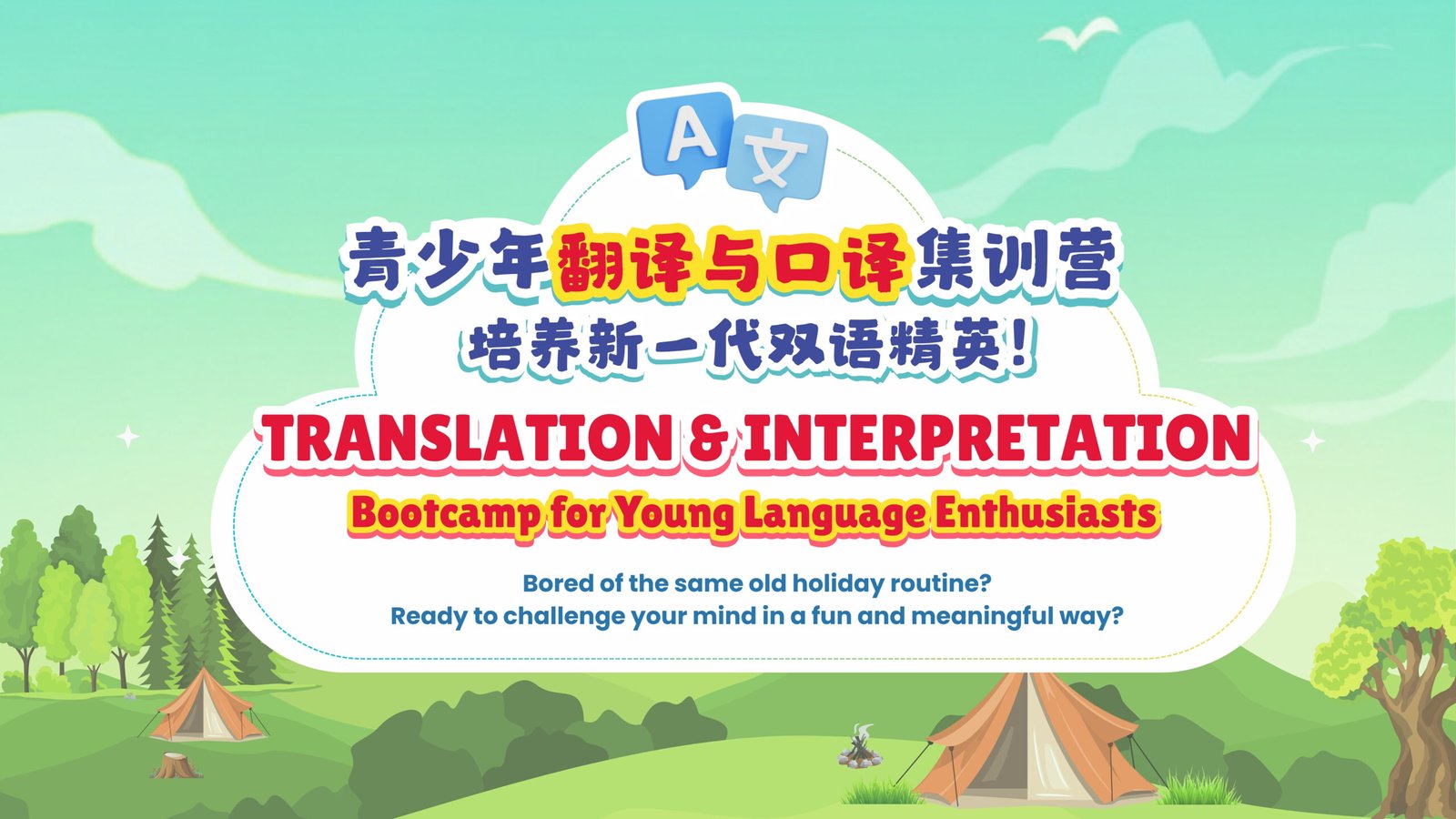
2.5 Hours x 4 Sessions:
- Mon, 16 March 2026
- Tue, 17 March 2026
- Thu, 19 March 2026
- Fri, 20 March 2026

$388.00
Programme Details
2.5 Hours x 4 Sessions:

EliteKid is a collaboration between Elite Linguistic Academy, a reputable and trustworthy Chinese language school with 13 years of training experience based in Singapore and 元中文, a global leading Chinese education technology platform. Together, we specialize in providing quality & effective online Chinese lessons in both private & group modes. Our curriculum is carefully developed by Singapore and China specialist & consultant team.
Course Consultant Team
8831 8578 (Janice) for 4-8 YO
8884 9619 (Vanny) for 9-12 YO
contact@elitekid.com.sg
EliteKid is a collaboration between Elite Linguistic Academy, a reputable and trustworthy Chinese language school with 13 years of training experience based in Singapore and 元中文, a global leading Chinese education technology platform. Together, we specialize in providing quality & effective online Chinese lessons in both private & group modes. Our curriculum is carefully developed by Singapore and China specialist & consultant team.
Course Consultant Team
8831 8578 (Janice) for 4-8 YO
8884 9619 (Vanny) for 9-12 YO
contact@elitekid.com.sg

Use of this website signifies your agreement to the Terms of Usage and Privacy Policy.
Click here to see a full copyright statement.
© Copyright 2009 – 2026 | EliteKid by Elite Linguistic Academy | All Rights Reserved
Use of this website signifies your agreement to the Terms of Usage and Privacy Policy.
Click here to see a full copyright statement.
© Copyright 2009 – 2026 | EliteKid by Elite Linguistic Academy | All Rights Reserved