Should You Choose Private or Group Class for Your Chinese Course? Read the Pros and Cons
Should You Choose Private or Group Class for Your Chinese Course? Read the Pros and Cons

Are you stuck with coming up with ideas to make your children learn Chinese Pinyin? Many parents find trouble in teaching Chinese Pinyin effectively while trying to keep their children’s attention. If you’re trying to help your kids learn Chinese Pinyin effectively, you can try to implement fun activities to help them retain their memories better. Fun learning activities will not only help with language acquisition, but can also provide better experiences and avoid children from boredom. If you’re looking for fun ways to help your kids learn Chinese Pinyin, don’t worry. Here are 5 practical ways to enhance their learning experiences!
Build Habit with Pinyin Charts and Flashcards
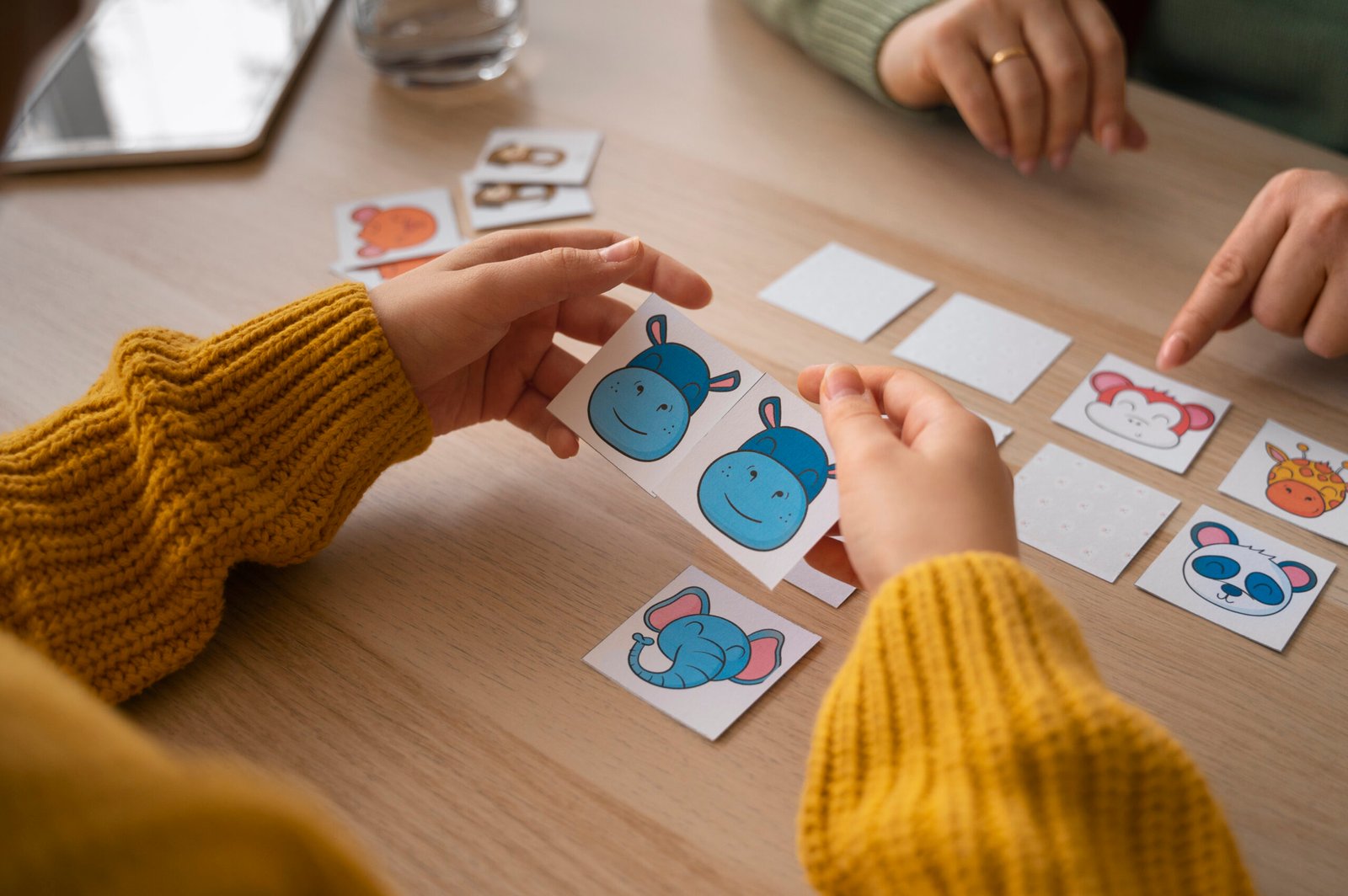
To make learning fun for children, the first thing that you can do is to help them create a learning habit that focuses on Pinyin acquisition. This method can be done with simple learning tools that are aimed to support short-term learning sessions. Here are some learning tools to understand Chinese Pinyin that you can use to support your children’s journey in learning Mandarin.
Chinese Learning Books
The most effective way that you can try to help your children learn Pinyin effectively is by accompanying them to read Chinese books. Although there are many Chinese books available, it is recommended to start with a Chinese picture book or a cognition audio book if your children is a complete beginner. These books often focus on repeating common phrases and can assist children in upgrading their skills in pronunciation. With shorter passage, you can try building this habit as part of your children’s routine, such as inviting them to read Chinese books before going to sleep.
Pinyin Chart
Learning from the Pinyin chart is another effective method that requires minimal time and fee. Nowadays, there are several types of Pinyin charts available. The most traditional form comes as a printed chart that you can easily stick on your home. Usually, this tool is aided by a colorful visual meant to grab children’s attention and support fun learning. If you prefer a non-physical chart, there are many resources available online to help your children learn from the Pinyin chart. Aside from visuals, these charts are often accompanied by guides on how to pronounce each syllable, making it perfect to help children.
Pinyin Flashcards
Flashcards have long been used to help children have a better language acquisition. This method is popular due to its nature of encouraging active recall for longer memory retention. Furthermore, parents favor this method since the tool can be created independently depending on children’s needs. For example, parents may include Pinyin on one side of the card while putting the English translation on the other side. However, other children with basic Mandarin skills might benefit more with the addition of Chinese characters on the flashcards.
Provide Reward Systems

Children can learn better when they have an objective that they can complete. To help enhance their experiences in learning Chinese Pinyin effectively, another method that you might implement is providing reward systems. This rewarding system can help children feel like they’re progressing in learning and build a positive learning environment. If you’re still confused on how to implement reward systems effectively, here are a few steps that you can try with your children.
YOU MIGHT ALSO LIKE: How to Support Your Child’s Mandarin Learning at Home
Goal Setting
The first thing that you need to settle is clarity. This means, you need to discuss with your children about the reward system you’re planning to implement. Let them be involved in the objectives setting and discuss how you’re going to give rewards. Generally, you can try applying point-based reward, where children will accumulate points before they can exchange it with several rewards. If this method is too complicated, you can easily exchange the points with immediate rewards, such as small snacks, a day out, or even a gift they’ve been asking for.
Let Children Explore
A great part of this rewarding system is to avoid forcing children to learn Chinese Pinyin. Forcing children to learn something can cause harm such as learning plateau. Therefore, it is recommended to let children learn and explore at their own pace. You can remind them of the goals and provide learning resources as a guidance, but try focusing on sparking their curiosity to learn Chinese Pinyin naturally.
Reward Accordingly
After your children have reached certain milestones, make sure to fulfil the reward that they deserve. Giving these rewards can be a great encouragement to progress further and to build trust between one another. If you can’t fulfill the rewards immediately, make sure to keep note of your children’s progress and give them affirmative feedback to let them know that you’re appreciating each milestone.
Encourage Interactive Activities
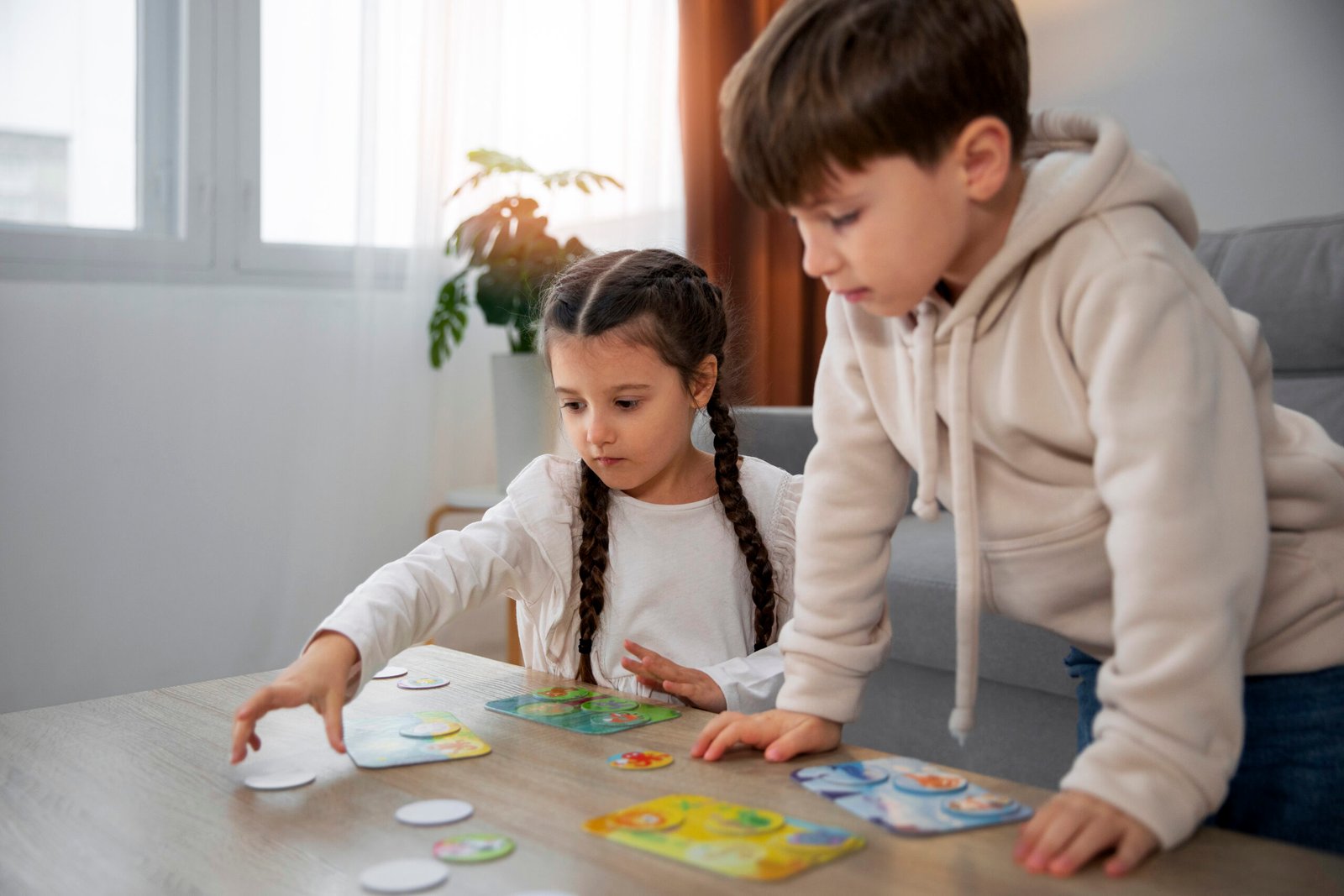
Many children fail to understand Chinese Pinyin effectively due to the usage of passive learning methods. Although some people might thrive by learning through passive methods, interactive activities are still highly encouraged, especially for younger children. This method is proven to be effective since children are not forced to memorise materials, but they’re actively involved in engaging ways.
There are several activities that you can try when encouraging children through interactive activities. Aside from reading Chinese storybooks that have been mentioned above, you can also encourage their problem solving skills while deepening their Chinese Pinyin understanding by giving them worksheets to complete. Try finding worksheets with engaging visuals and simple activities so they can finish it relatively quickly.
Aside from worksheets, you can also try to help them learn through interactive roleplay. If your children have little to no prior knowledge in Chinese vocabulary, you can prepare the scripts in advance. This way, they can focus more on getting the Pinyin pronunciation right while learning new Chinese words to help them communicate in the future.
Give Extra Challenge

After your children get a better grasp at Chinese Pinyin, another method that you can try to spark their interest is by giving small yet challenging tasks. For example, you can ask them to pronounce more complex words. If you’re not sure where to start, you can start by giving them Chinese tongue twisters. These phrases can help provide challenges and encourage them to practice thoroughly. As reference, here are some common Chinese tongue twisters that you can use to enhance kids’ learning experience.
- 四是四,十是十,十四是十四,四十是四十
sì shì sì, shí shì shí, shí sì shì shí sì, sì shí shì sì shí.
(Four is four, ten is ten, fourteen is fourteen, forty is forty)
- 红鲤鱼与绿鲤鱼与驴
hóng lǐ yú yǔ lǜ lǐ yú yǔ lǘ
(Red carp and green carp and donkey)
- 吃葡萄不吐葡萄皮,不吃葡萄倒吐葡萄皮
chī pútao bù tǔ pútao pí, bù chī pútao dào tǔ pútao pí.
(Eat grapes without spitting the skins, don’t eat grape but spitting out the skins)
Find Learning Partners
Finding peers with the same level can be a great alternative to provide children with more fun ways to study Chinese Pinyin. These learning partners can be someone from your family, neighborhood, classmates, or even friends with similar age range. Make sure to find someone with a similar Chinese level with your children so they can be more confident in speaking Chinese and pronouncing Pinyin. This method is often recommended as they will feel less pressured on learning and can help motivate one another at times.
Learn Pinyin Effectively through Engaging Curriculums
Learning Pinyin effectively can be done if your children have a supportive environment that provides enjoyment. For many parents, providing the perfect learning environment might be rather tricky, especially if you’re not fluent in Chinese yourself. However, there are many alternatives that you can take, one of them is by looking for Chinese courses aimed to help Pinyin acquisition. In Elitekid, we promote lively and engaging learning environments to ensure a solid foundation in understanding Chinese through our theme-based programs. Learn more on how Elitekid can help your children learn Chinese Pinyin by visiting our site.