Common Vocabulary in the YCT Chinese Test Level 2
Common Vocabulary in the YCT Chinese Test Level 2

Want to help your children pass the Youth Chinese Test (YCT) level 2 exam? Understanding common vocabulary used in the YCT level 2 exam can be a great foundation to help children become more fluent in Mandarin. As the backbone of Mandarin, learning vocabulary will not only help your children in passing the YCT exam but help them in day-to-day communication. In this article, we will discuss common vocabulary in the YCT level 2 and how to learn it effectively for kids.
YCT Level 2 Vocabulary List and English Meaning

Mastering YCT level 2 means that your children will be able to understand common phrases and daily expressions for basic communication. In this level, your children will understand 150 Chinese words and its meaning to help them have conversations with others. Here are the required vocabulary to pass the YCT level 2.
| Chinese Character | Pinyin | English Meaning |
| 家 | jiā | Home/house |
| 学校 | xuéxiào | School |
| 商店 | shāngdiàn | Shop/store |
| 房间 | fángjiān | Room |
| 北京 | běijīng | Beijing |
| 中国人 | zhōngguórén | Chinese |
| 医院 | yīyuàn | Hospital |
| 医生 | yīshēng | Doctor |
| 爸爸 | bàba | Father/dad |
| 妈妈 | māma | Mother/mom |
| 哥哥 | gēge | Older brother |
| 姐姐 | jiějie | Older sister |
| 弟弟 | dìdi | Younger brother |
| 妹妹 | mèimei | Younger sister |
| 老师 | lǎoshī | Teacher |
| 学生 | xuésheng | Student |
| 同学 | tóngxué | Classmate |
| 朋友 | péngyou | Friend |
| 手 | shǒu | Hand |
| 口 | kǒu | Mouth |
| 眼睛 | yǎnjīng | Eye |
| 头发 | tóufa | Hair |
| 耳朵 | ěrduo | Ear |
| 鼻子 | bízi | Nose |
| 脚 | jiǎo | Foot |
| 个子 | gèzi | Height |
| 猫 | māo | Cat |
| 狗 | gǒu | Dog |
| 鸟 | niǎo | Bird |
| 鱼 | yú | Fish |
| 熊猫 | xióngmāo | Panda |
| 水 | shuǐ | Water |
| 牛奶 | niúnǎi | Milk |
| 米饭 | mǐfàn | Rice |
| 面条 | miàntiáo | Noodle |
| 苹果 | píngguǒ | Apple |
| 茶 | chá | Tea |
| 香蕉 | xiāngjiāo | Banana |
| 包子 | bāozi | Steamed stuffed bun |
| 今天 | jīntiān | Today |
| 明天 | míngtiān | Tomorrow |
| 现在 | xiànzài | Now |
| 月 | yuè | Month, moon |
| 号 | hào | Date |
| 星期 | xīngqī | Week |
| 点 | diǎn | Clock, point |
| 年 | nián | Year |
| 分钟 | fēnzhōng | Minute |
| 昨天 | zuótiān | Yesterday |
| 早上 | zǎoshang | Morning |
| 晚上 | wǎnshang | Evening |
| 桌子 | zhuōzi | Desk |
| 椅子 | yǐzi | Chair |
| 书包 | shūbāo | School bag |
| 铅笔 | qiānbǐ | Pencil |
| 电视 | diànshì | Television |
| 汉语 | hànyǔ | Mandarin/Chinese |
| 名字 | míngzi | Name |
| 天气 | tiānqì | Weather |
| 颜色 | yánsè | Color |
| 红 | hóng | Red |
| 黄 | huáng | Yellow |
| 绿 | lǜ | Green |
| 钱 | qián | Money |
| 里面 | lǐmiàn | Inner/inside |
| 上边 | shàngbian | Top |
| 谢谢 | xièxie | Thank you |
| 不客气 | bú kèqi | You’re welcome |
| 再见 | zàijiàn | Goodbye |
| 对不起 | dùibuqǐ | Sorry |
| 没关系 | méi guānxi | Never mind |
| 请 | qǐng | Please |
| 是 | shì | To be (is/am/are) |
| 有 | yǒu | To have |
| 看 | kàn | Watch/see |
| 吃 | chī | Eat |
| 喝 | hē | Drink |
| 去 | qù | Go |
| 叫 | jiào | Call |
| 来 | lái | Come |
| 做 | zuò | Do |
| 坐 | zuò | Sit |
| 买 | mǎi | Buy |
| 画 | huà | Draw |
| 说话 | shuōhuà | Speak |
| 玩 | wán | Play |
| 学习 | xuéxí | Study |
| 睡觉 | shuìjiào | Sleep |
| 起床 | qǐchuáng | Get up |
| 打电话 | dǎ diànhuà | Call (phone call) |
| 喜欢 | xǐhuan | Like |
| 爱 | ài | Love |
| 认识 | rènshi | Know |
| 觉得 | juéde | Think |
| 会 | huì | Can |
| 要 | yào | Need, have |
| 可以 | kěyǐ | Can |
| 好 | hǎo | Good |
| 好吃 | hǎochī | Delicious |
| 多 | duō | Many/much |
| 小 | xiǎo | Small |
| 大 | dà | Big |
| 长 | cháng | Long |
| 高 | gāo | Tall |
| 高兴 | gāoxìng | Happy |
| 冷 | lěng | Cold |
| 热 | rè | Hot |
| 漂亮 | piàoliang | Beautiful |
| 我 | wǒ | I/me |
| 你 | nǐ | You |
| 他 | tā | He/him |
| 她 | tā | She/her |
| 我们 | wǒmen | We/us |
| 这(这儿) | zhè(zhèr) | Here |
| 那(那儿) | nà(nàr) | There |
| 哪(哪儿) | nǎ(nǎr) | Where |
| 谁 | sheí | Who/whom |
| 什么 | shénme | What |
| 几 | jǐ | Many/much |
| 怎么 | zěnme | How |
| 怎么样 | zěnmeyàng | How is it |
| 多少 | duōshao | How many/how much |
| 一 | yī | One |
| 二 | èr | Two |
| 三 | sān | Three |
| 四 | sì | Four |
| 五 | wǔ | Five |
| 六 | liù | Six |
| 七 | qī | Seven |
| 八 | bā | Eight |
| 九 | jiǔ | Nine |
| 十 | shí | Ten |
| 零 | líng | Zero |
| 两 | liǎng | Two |
| 个 | gè | Used before nouns without special measure words |
| 岁 | suì | Measurement word for age |
| 块 | kuài | Piece |
| 只 | zhī | Measurement word for animal or things in pair |
| 不 | bù | No/not |
| 很 | hěn | Very |
| 也 | yě | Also |
| 没有 | méiyǒu | Don’t have, not |
| 真 | zhēn | Really |
| 和 | hé | And |
| 在 | zài | At |
| 比 | bǐ | Than |
| 的 | de | Possessive particle |
| 吗 | ma | Particle for question |
| 了 | le | Already |
| 呢 | ne | Particle for question |
How to Master YCT Level 2 Vocabulary
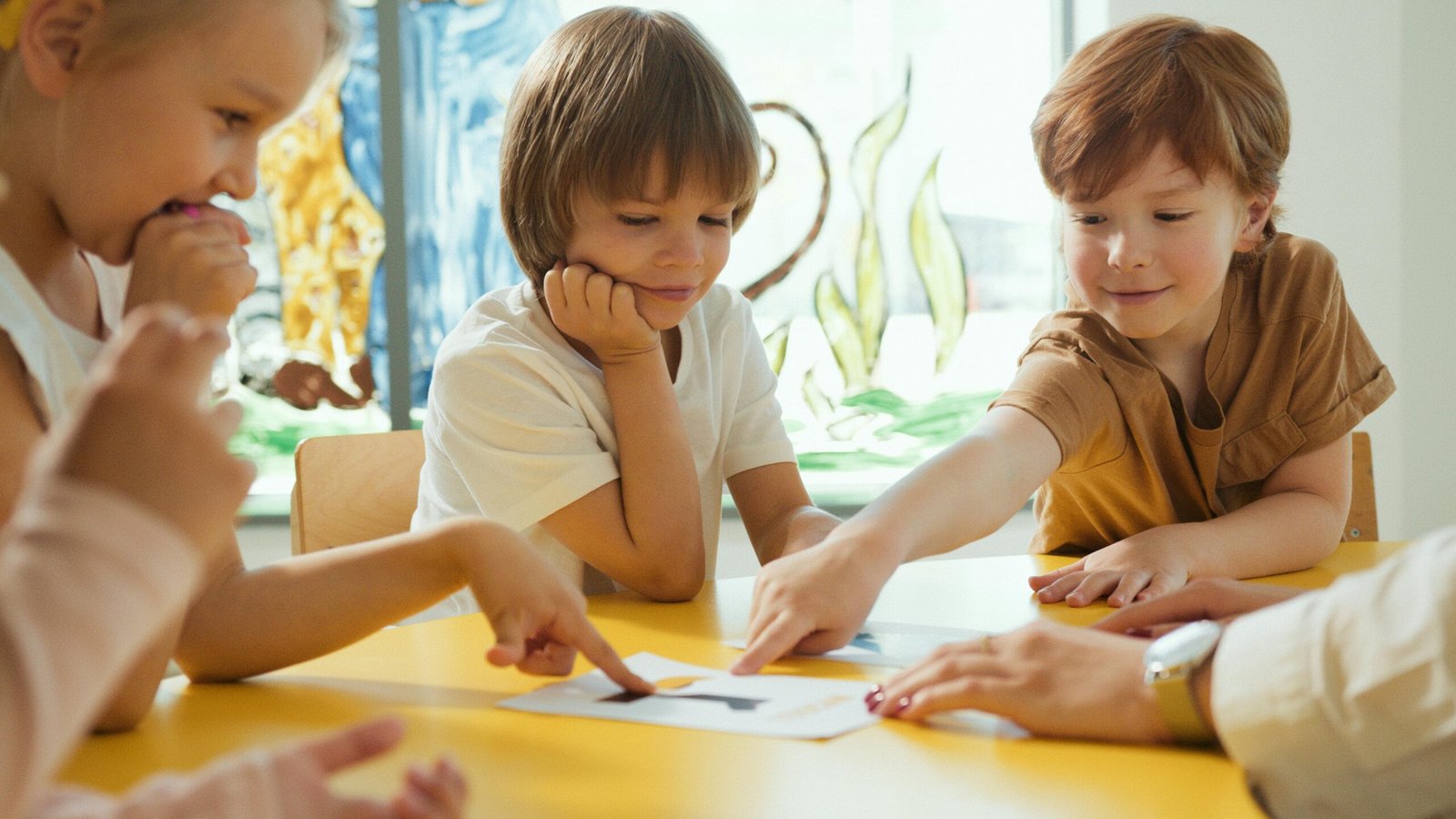
In terms of level progression, mastering YCT level 2 vocabulary for kids can be more difficult than learning YCT level 1. With approximately 70 new vocabulary to learn, kids may need more time in learning YCT level 2 vocabulary. However, with the right method, children can still master these new Chinese words without much struggle. Here are a few tips that you can try to help your children master YCT level 2 vocabulary.
Review YCT level 1
Before getting into the new materials, the first step you need to do to help your children master vocabulary is to review what they have learned in the previous level. In YCT level 2, many level 1 words will appear in sentences and other exercises. Having a review before jumping into new material can help kids in understanding new vocabulary better and easier.
Learn Vocabulary in Groups
Grouping is a common exercise that you can use to help kids memorise new Chinese vocabulary. If you want to help your kids understand vocabulary better, you can divide them based on common themes, such as food, family members, or action words. Grouping Chinese vocabulary into different themes can help kids naturally build associations and encourage them to remember new words faster.
Encourage Practical Usage Immediately
While learning new vocabulary, it is highly recommended to give example sentences for kids to remember. Learning through simple sentences can help kids in understanding how to use words in context. Furthermore, practical implementation can also help kids in understanding sentence structure and basic grammar needed for YCT level 2.
Frequently Asked Questions
Prepare for YCT Exam with Elitekid
Preparing for YCT exams is not only about understanding commonly used vocabulary, but also recognizing sentence structure and grammar usage. Without proper materials, kids may struggle to understand Mandarin, especially if they aren’t surrounded by a Chinese environment. In Elitekid, we provide kids with structured learning activities to help them ace their YCT exams. Learn more about how we can help kids get better in using Mandarin by visiting our site.