The Best Resources to Learn Mandarin for Children
The Best Resources to Learn Mandarin for Children

When supporting your children to learn Mandarin, one effective strategy that you can do as parents is providing them with the best learning resources. This step is especially important for younger children who aren’t capable of searching for their own learning resources independently.
With how vast the internet has become nowadays, finding Mandarin resources to help your children get better in Mandarin is fairly easy. However, finding a reliable one can be harder than most people think. Finding these resources isn’t only about rechecking information, but also ensuring that these materials are suitable for your children to learn Mandarin effectively.
Here are several of the best learning resources that you can use to help your children learn Mandarin more effectively.
YOU MIGHT ALSO LIKE: How to Support Your Child’s Mandarin Learning at Home
Mandarin Textbooks
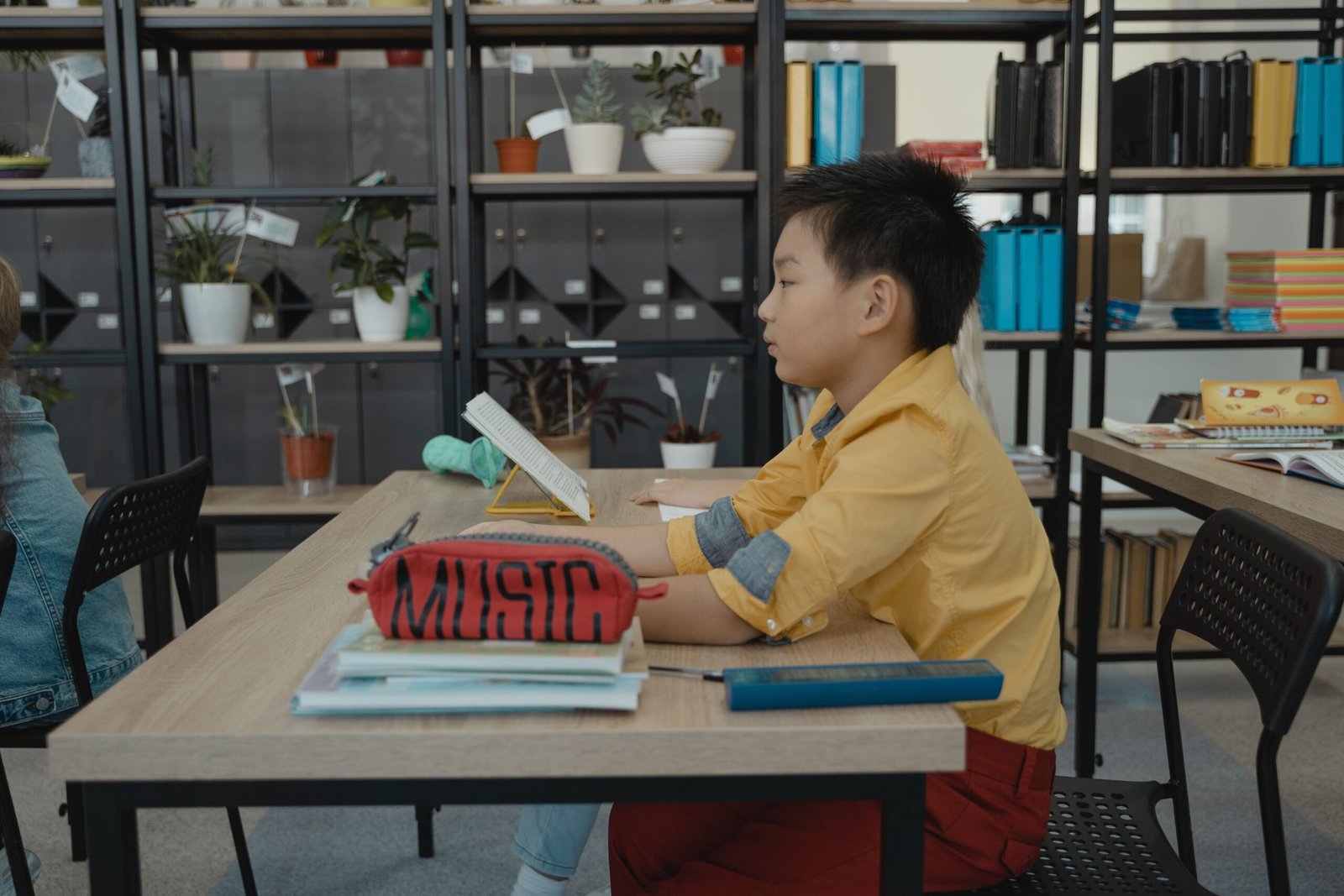
This learning material is by far the most trusted source among all. The popularity of using Mandarin textbooks is supported by how often it is used as the main resource in many formal education. Usually, Mandarin textbooks for children will include explanations, illustrations, exercises, audio recordings, and any other activities that can enhance your children’s learning journey.
Due to its nature in structuring learning materials in accordance to children’s natural learning progression, Mandarin textbooks are often still being suggested to be one of the main resources you provide for your children. By maintaining a great structure, children will be guided with the right order when learning Mandarin. For example, children who have just begun learning Mandarin will be introduced to Chinese Pinyin before moving to grammar and eventually Chinese characters.
Furthermore, Mandarin textbooks often vary depending on children’s learning objectives. For example, non-native children often start with Easy Steps to Chinese that focuses on building basic skills. On the other hand, children who wish to take the YCT exam or HSK exam can purchase Mandarin textbooks that specifically use the curriculum they need for their assessment.
However, Mandarin textbooks can sometimes feel too formal and rigid for younger children. With how it is structured, many children are prone to boredom by the lack of interactive materials. Therefore, parents who want to use Mandarin textbooks as their main resource have to consider including interactive activities to help children stay engaged.
Video or Animations
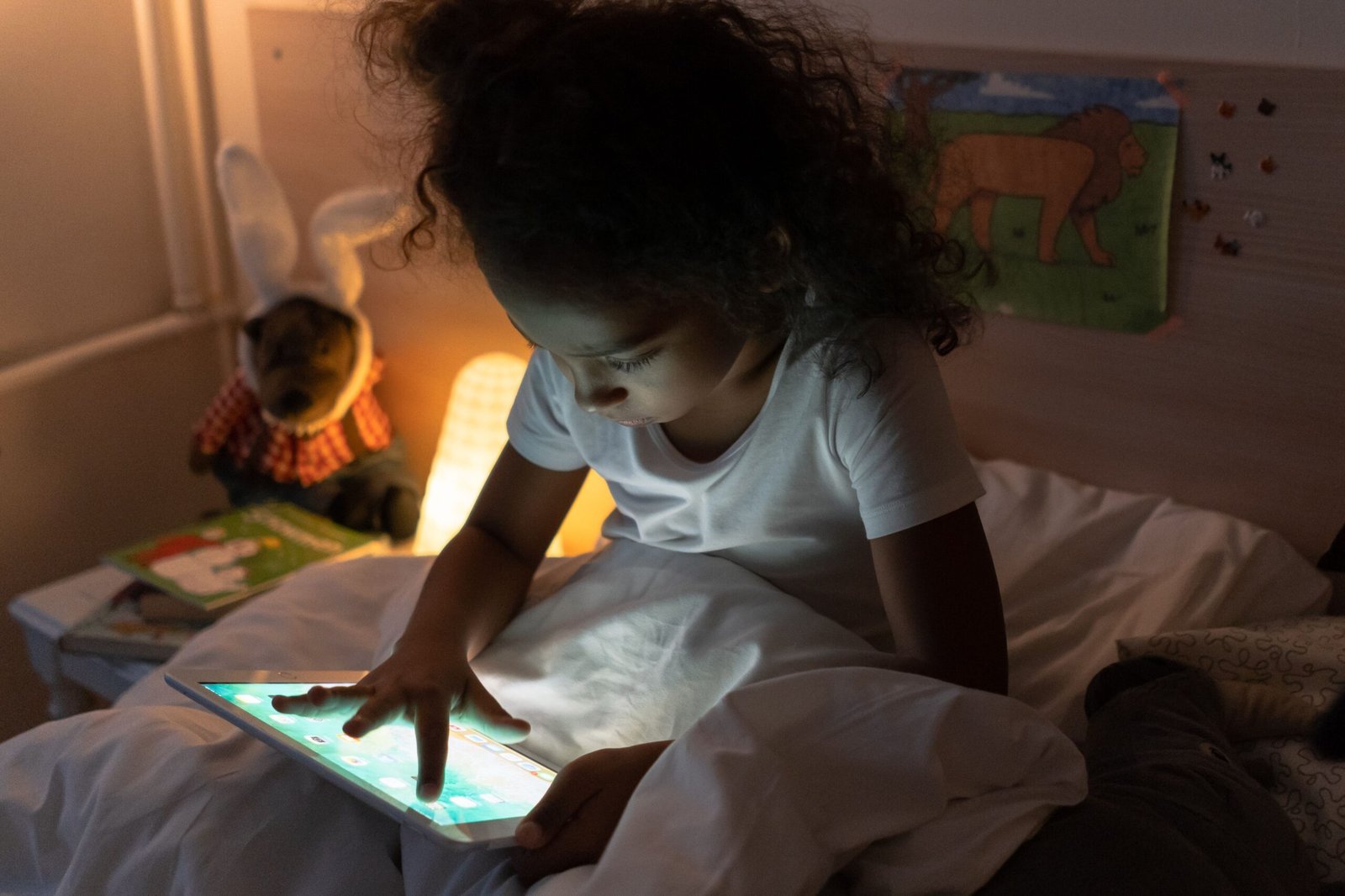
Videos and animations have become increasingly popular as an effective educational tool in many fields, including Mandarin learning for children. By combining visual and auditory input, this media can often keep children engaged with the materials longer than simply shoving them a Mandarin textbook.
One big advantage of learning through video and animation is that your children get to witness practical usage of Mandarin. This can be a great way to introduce them to Mandarin and enhance their listening skills. By combining an engaging activity with learning, children can feel less pressured in understanding Mandarin for communication. Furthermore, this media also allows children to absorb language more naturally and cultivate motivation to study Mandarin.
However, one major thing you need to pay attention to is how giving your children exposure to digital media can be harmful for their screen time. Excessive screen time from childhood may cause children to develop attention issues and cause them to struggle with adapting to actual learning environments.
YOU MIGHT ALSO LIKE: The Best Chinese Animated Series to Help Children Learn Mandarin
Nursery Rhymes

Another excellent resource for introducing Mandarin to young children is by letting them hear popular Chinese nursery rhymes. Designed specifically for younger audiences, Chinese nursery rhymes usually feature repetitive melodies and lyrics to help children recognize common vocabulary used in communication.
For younger children, this repetition can help them grow more familiar with the melody and words, allowing them to pick up Mandarin more naturally. Common themes that you can find in Chinese nursery rhymes include greeting, family members, and even animals. Aside from its repetition, Chinese nursery rhymes is a flexible learning media that can also be used by parents. Instead of only introducing these songs, parents can also encourage children to sing together, creating a moment to bond with each other.
Similar to learning through videos, Chinese nursery rhymes also work better as an entertainment tool. Therefore, children may not learn effectively by solely relying on this method. Nursery rhymes are also designed to be easy to listen to and may ignore grammatical rules at times.
Chinese Worksheets

Most times, children learn better when they get to use Mandarin themselves. One resource that you can utilize to help children learn Mandarin is by providing them with Chinese worksheets. This tool allows children to get hand-on practice through activities such as matching words with visuals, completing sentences, and tracing Chinese characters.
Its main advantage is that children get to actively recall what they have learned beforehand. With many free Chinese worksheets available, using this tool has become much easier to do nowadays. However, you can also try making your own Chinese worksheets if you fail to find a suitable one for your children.
Despite its effectiveness in helping children recall information, using Chinese worksheets can become tedious if you overuse this for your children’s learning process. With their limited attention span, children may see Chinese worksheets as something challenging to finish and therefore lose their motivation easily. For this reason, Chinese worksheets should be combined with other interactive resources and activities to help children stay engaged with the materials.
Chinese Picture Books

A valuable learning resource that you can use to help children develop their reading skills is Chinese picture books. With its engaging story, Chinese picture books combine illustrations and Chinese text to help children understand story context easily. Aside from how natural Chinese picture books appear to be, reading these stories can help children become more creative in imagining things.
Just like Chinese nursery rhymes, reading Chinese picture books can also be a great opportunity to directly get involved in children’s learning journey. Instead of expecting them to read on their own, parents can encourage interactions such as asking questions or reading along with them.
However, one issue that parents should be aware of is that not every Chinese picture book is suitable for all children. Usually, Chinese picture books are divided into groups depending on the age range. Younger children are often given more simple themes with repeated words, while older children get introduced to more complex Chinese characters.
Online Platforms
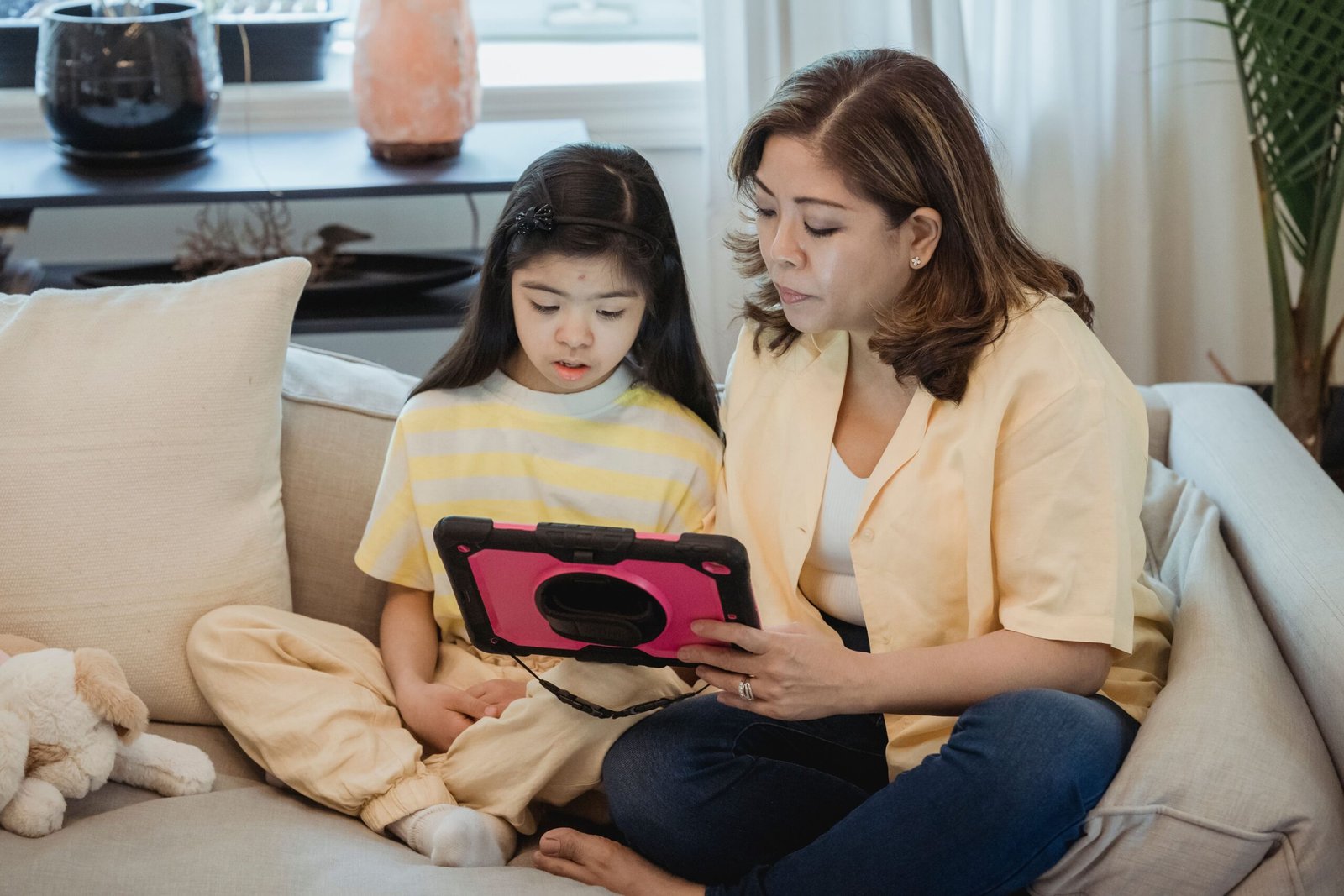
Whether you’re learning through Chinese apps or online platforms such as Quizlet, this media has become more popular due to the increasing usage of technology in the education field. Many Chinese online platforms combine many resources in one place, such as video to watch, reading activities, exercises, and even games! To put it simply, online platforms can usually be a great replacement for the traditional Mandarin textbook for children.
The main advantage of using online platforms is how accessible it is. Unlike Mandarin textbooks or other learning tools that need to be physically carried around, online platforms make Mandarin learning feel only one click away. With its ability to combine different learning materials, a good online platform for learning Mandarin should allow children to master several Mandarin skills.
However, the same issue may apply to using online platforms. Relying too much on digital devices can turn children to be overly dependent on technology. Therefore, online platforms should be kept as supplementary resources and should be used under adults’ supervision.
YOU MIGHT ALSO LIKE: Should Your Kids Learn Chinese through Chinese Courses or AI Platforms
Educational Game
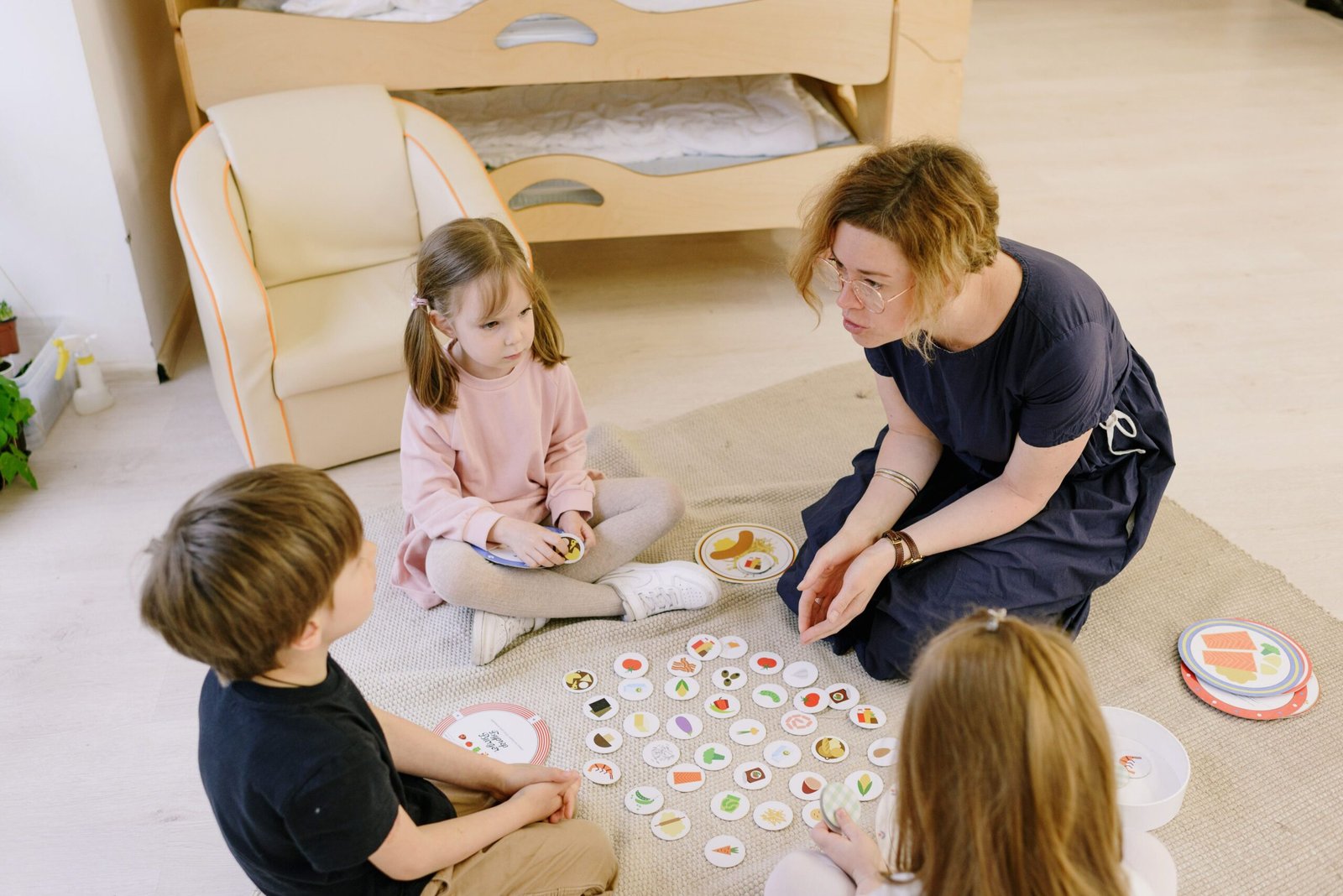
Games can often turn a learning journey into a fun experience for children. Using educational games can encourage children to participate actively in learning Mandarin. Ranging from puzzles, matching games, or digital quizzes, you can encourage your children to cover different Mandarin topics with this interactive method.
Relying mainly on engagement, educational games can be a great way to measure your children’s current ability and pay attention to their weaknesses. Furthermore, educational games also can be a great way to help children understand their sense of achievement and reward them for learning Mandarin.
Still, educational games may not be suitable for children who just started learning Mandarin. Ideally, this learning method is designed to help children recall new information and can be very limited in terms of in-depth learning. Therefore, children should still be encouraged to engage with other learning resources or get connected with someone who can guide them to learn Mandarin more effectively.
Choosing the Right Learning Resources for Children
Truthfully, there is no one correct answer when it comes to selecting the best learning resources for children. Each type of resource usually has its own role and should be combined with other methods to keep its effectiveness.
A balanced learning resource for children should be able to find a combination of structured learning and interactive activities to keep them engaged. This way, children won’t be discouraged when learning but still receive reliable information to work with. In Elitekid, we offer Mandarin courses for children with different learning resources meant to give them hands-on experience with proper guides from experienced trainers. Learn more about how we encourage your children to learn Mandarin by visiting our site.
Contact Us
WhatsApp:
8831 8578 (Janice) for 4-8 yo
8884 9619 (Vanny) for 9-12 yo
Instagram: @elitekidchinese
Email: contact@elitekid.com.sg