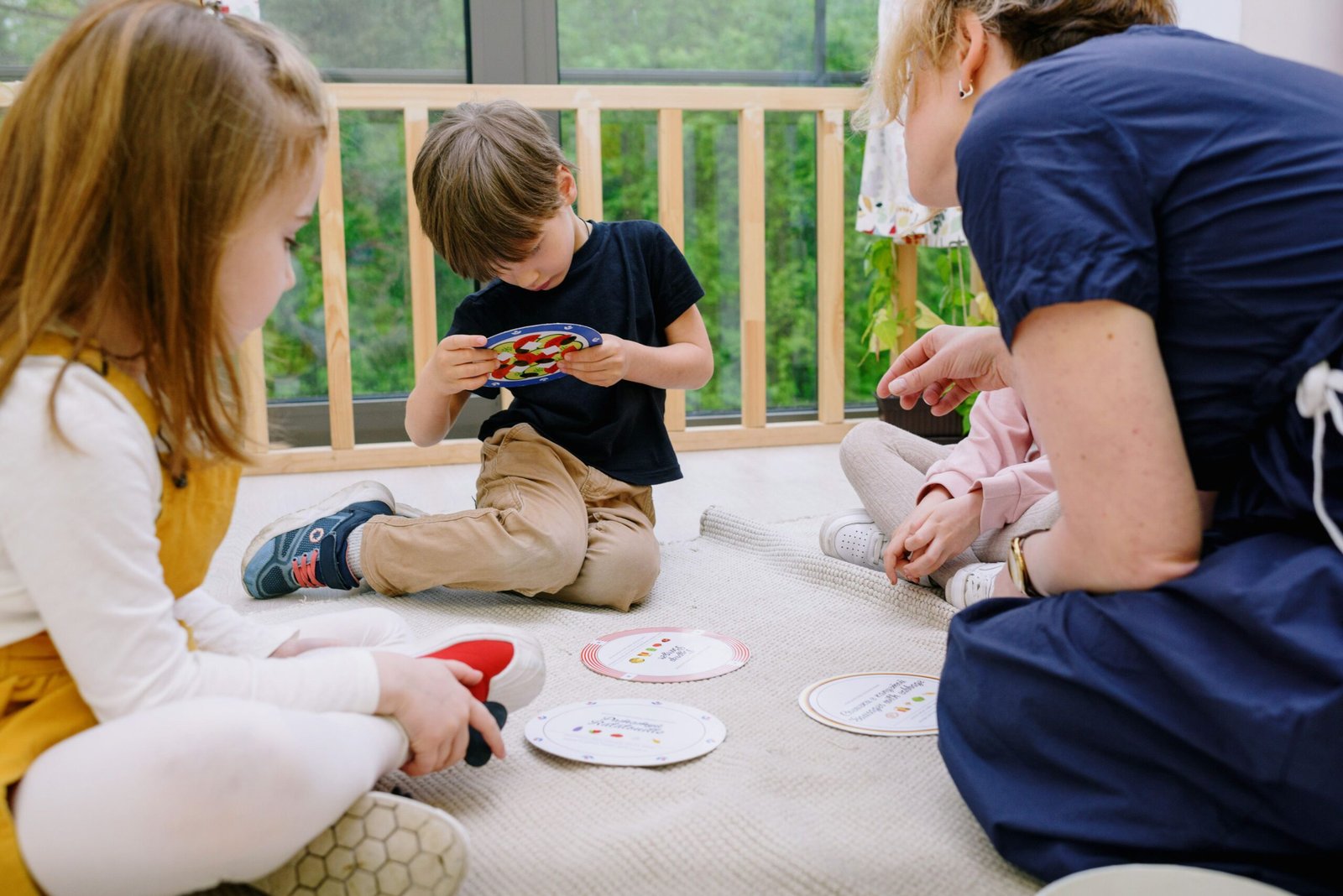
Interactive Mandarin Learning through Chinese Roleplay for Kids
Interactive Mandarin Learning through Chinese Roleplay for Kids

Interactive learning methods have been a popular part of ensuring a great learning experience for kids. Whether they’re learning a new language or a new skill, letting them practice by being directly involved with learning materials can often lead to better understanding.
Although there are many different methods of learning with interactive ways, roleplaying has been highly integrated into Mandarin learning activities for kids. This method includes children simulating real-life situations through active communication with their learning partners. So, how can Chinese roleplay exactly help children and how to properly integrate it into learning materials?
Let’s learn more about Chinese roleplay as an interactive Mandarin learning method for kids through this article.
Why Chinese Roleplay Can Help Kids Learn Effectively

Although there are many other alternatives that you can use while teaching your children speaking skills, Chinese roleplay still remains prominent in various learning institutions. By focusing on communication skills, Chinese roleplay can be very effective to help kids learn Mandarin for the following reasons.
Building Confidence
Many non-native kids hesitate to start speaking Mandarin since they are afraid of making mistakes. This struggle is often shared in many households without any native Chinese speakers to actively communicate with kids. Chinese roleplaying in this situation can be a great and relaxing way for kids to start learning how to speak Mandarin. By having different characters and scenarios to try, kids can grow more comfortable with communicating in another language.
Improving Pronunciation
Chinese roleplay will essentially encourage kids to start speaking in Mandarin, whether they’re fluent or not. By doing this, they are often challenged with one of Chinese learners’ common struggles: using the correct tone and pronunciation while talking to others.
Although pronunciation can’t get better in a night, Chinese roleplay provides the opportunity for children to repeat common Chinese words and get more natural in it. Paired with someone to correct their mistakes, Chinese roleplay can be a great source for children to start improving their Mandarin pronunciation.
Active Listening Skills
Chinese roleplay is often associated with speaking skills, but this fun activity usually also includes a chance for kids to practice their active listening skills. By having conversation with their learning partners or teachers, kids are expected to listen and pay attention to what topic they’re currently involved with. This interaction helps kids to improve their listening comprehension and learn more about speakers’ intention, even through indirect communication style.
Preparing Natural Conversation Flow
Chinese roleplaying is different from reading text from a book. Instead of relying on a script, Chinese roleplay often encourages kids to improvise as they communicate with someone else. Furthermore, this learning method usually incorporates everyday situations, such as greeting friends, asking for directions, or buying something from a shop. By learning from these scenarios, kids can adapt better with related vocabularies and be more prepared once they start communicating with Chinese speakers.
Steps to Build an Effective Chinese Roleplay for Kids

Creating a Chinese roleplay situation is not complicated. Even without a full degree of education, parents can still encourage their kids to get better in Mandarin by these simple scenarios. With the right preparation, you can start this interactive learning method at home while being involved directly with your kids’ learning journey.
Although there is no one right way to prepare for an effective Chinese roleplay activities for kids, here are some easy steps that you can consider if you want to get started.
Prepare the Scenario
Before jumping into conversations with kids, choosing a range of topics is highly recommended when you’re about to conduct a Chinese roleplay. If you’re not sure about what topics you can include, try starting from everyday activities that kids are often involved with. For example, you can include talking about hobbies, meeting new people, or asking for directions. Starting with everyday topics can make it easier for kids to understand and interact with the scenarios.
Review Vocabulary if Needed
Before starting Chinese roleplay, one optional step that you can integrate is reviewing common vocabulary that your kids most likely need to know when conversing with others. You can also use other tools such as flashcards to help your kids review relevant vocabulary for Chinese roleplay. Although not obligatory, having a warm-up session to review learned vocabulary can help kids grow more confident and comfortable with upcoming Chinese roleplay scenarios.
Improvised Along the Way
Chinese roleplay is not about memorizing script and pronouncing it perfectly. This activity is often used to mimic real-life situations, which in most cases are unpredictable. Although having a big picture of what you need to talk about is still recommended, especially for younger kids, allowing them to respond based on their ability is also important. This spontaneous shift can help kids to adapt better in real life situations when speaking in Mandarin.
Discuss and Give Feedback
Despite its fun and engaging way of learning, a discussion after conducting a Chinese roleplay is still important. This constructive guidance can help your kids realize their strengths and weaknesses and encourage them to improve better in the future. If you’re planning to give your kids feedback, make sure to start with praises or strengths before pointing out their weaknesses. This structure can help kids understand that they’re still appreciated despite their mistakes.
Explore Interactive Mandarin Learning Activities with Elitekid
Aside from Chinese roleplays, there are other effective ways to let kids learn Mandarin with an interactive approach. Ranging from nursery rhymes to fun quizzes, kids’ Mandarin skills can be improved greatly through the right approach.
Ready to help your children learn with engaging methods to keep them interested? Learn more about how Elitekid can support your kids through interactive Mandarin learning methods by visiting our site!