10 Popular Mandarin Nursery Songs for Kids
10 Popular Mandarin Nursery Songs for Kids
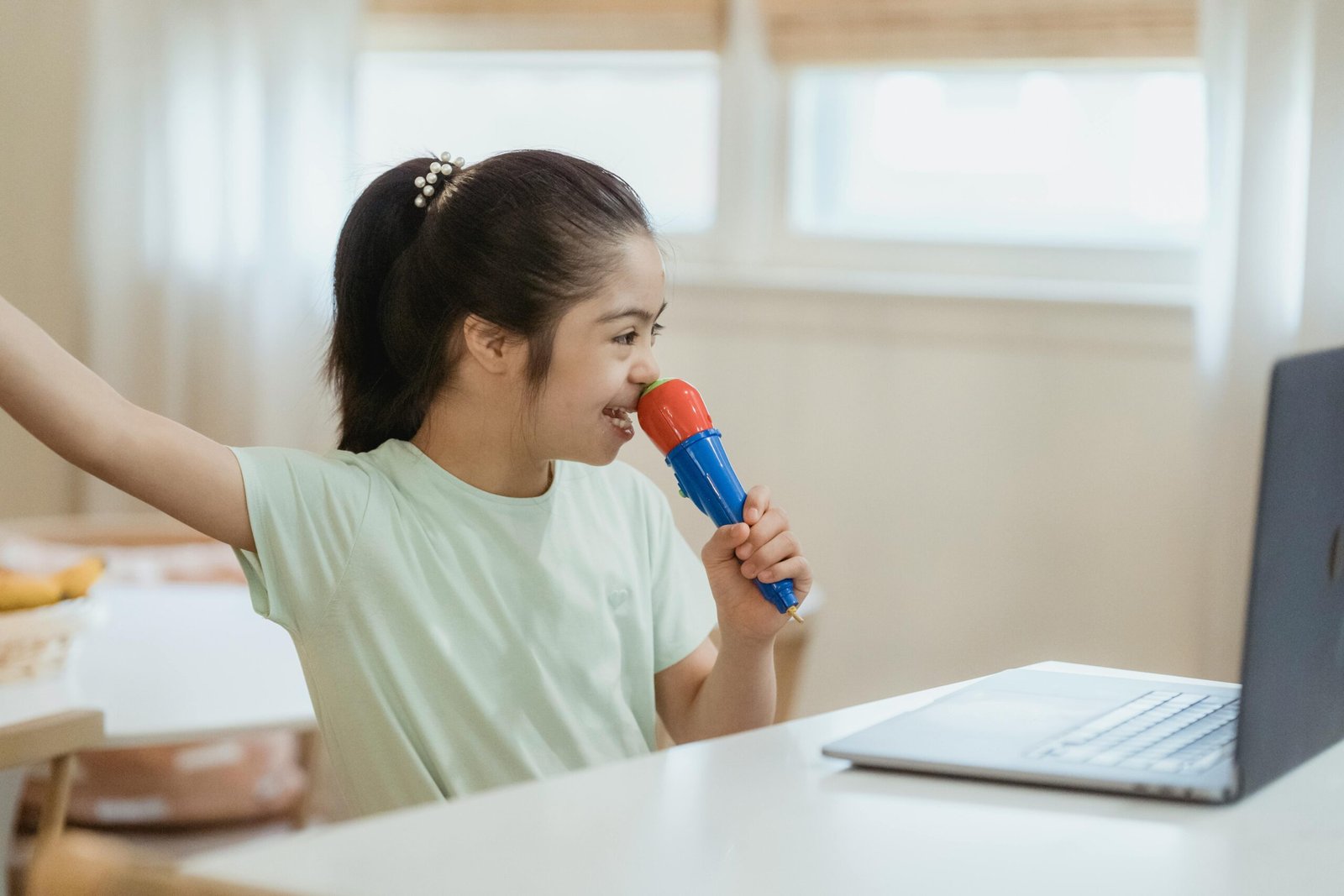
Want kids to learn Mandarin without feeling burdened by the pressure of studying? Introducing nursery songs to their learning journey can be a good way to provide a new experience for kids. This option provides parents with an affordable and easy way to keep their kids engaged while learning Mandarin. So, how exactly do nursery songs help your kids learn Mandarin effectively? In this article, we will explore more about Mandarin nursery songs, including some of the most popular and recommended options for your kids to try!
YOU MIGHT ALSO LIKE: Dear Parents, Learning Chinese Isn’t Just About Exams
Why Nursery Songs Can Help Kids Learn Mandarin
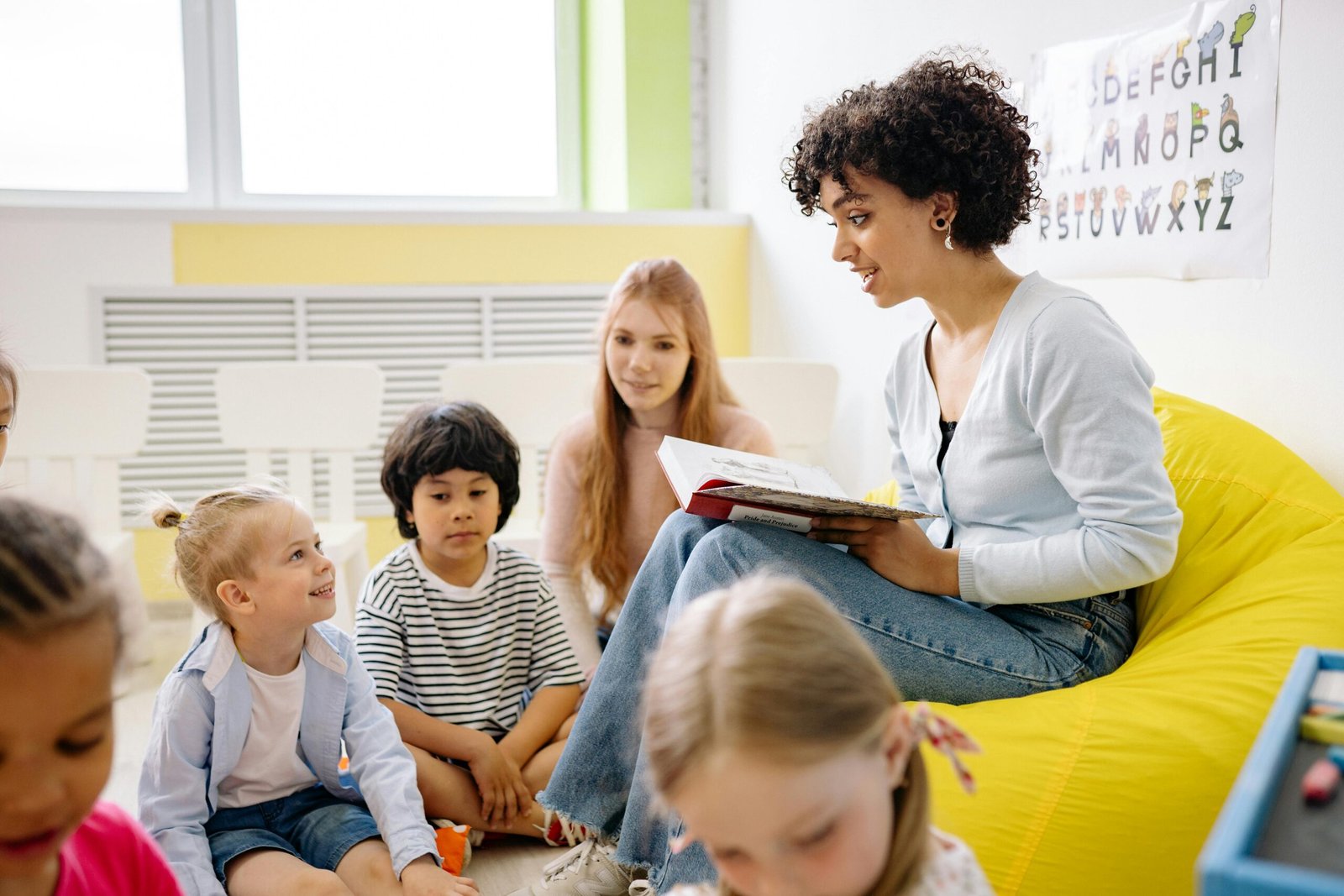
Learning Mandarin through nursery songs is extremely effective, especially for kids. Music often sticks better to many people due to its repeated and easy to digest lyrics. Learning through songs can transform kids’ study sessions into a more engaging and fun way of understanding Mandarin. Here’s how nursery songs can help your kids understand Mandarin better.
Vocabulary Acquisition
Nursery songs usually use simple and repeated Chinese words suitable for kids. This repetition is a great way for children to pick up commonly used Chinese vocabulary naturally. With a catchy tune, nursery songs often work better than other tools meant for helping children build their vocabulary, such as flashcards and children books.
Boosting Creativity and Imagination
Nursery songs often have many themes such as describing animals, showing daily activities, and even telling a simple adventure. While singing nursery songs, kids can imagine what is happening in the song through vivid imagery. These songs can help kids understand the context behind songs and enhance their musical skills.
YOU MIGHT ALSO LIKE: These Magical Chinese Folktales Will Spark Your Child’s Imagination
Learn Chinese Characters
If you’re playing nursery songs through YouTube, you may notice that many videos provide Chinese characters, Pinyin, and English translations on screen to accommodate young learners better. This experience can provide kids with an early exposure to simple Chinese characters. Oftentimes, children can start recognising simple Chinese characters through daily exposure and constant repetition while learning Mandarin nursery songs.
The Most Popular Mandarin Nursery Songs for Beginners
At first glance, MOE aligned courses and Chinese enrichment classes may seem similar. However, their differences come in many aspects that may result in different learning experiences. Before choosing the most suitable Chinese course for your children, let’s learn the differences between MOE aligned courses and Chinese enrichment classes .
Curriculums
The most distinguishing difference between MOE aligned courses and Chinese enrichment classes can be seen in their varying curriculum. MOE-aligned courses are often standardized between one tuition centre and another as these classes are meant to help children learn based on school curriculum. Therefore, this type of learning is often inflexible. On the other hand, Chinese enrichment classes offer the flexibility to customize courses depending on children’s needs. This course is suitable for children who want to master a specific Chinese skill.
YOU MIGHT ALSO LIKE: MOE Chinese Curriculum: What Primary School Kids Are Expected to Know
Goals
MOE-aligned courses often share the same curriculum with MOE’s objective, which include developing language skills, cultivating humanistic qualities, and fostering generic competencies. These goals can be reflected on how well children are doing in their classes. On the other hand, children’s goals when joining Chinese enrichment classes may differ from one another.
Assessments
MOE-aligned courses usually have certain measurements to help assess students’ progress in learning Chinese language. Many tuition centers refer to official national exams to form assessment. This assessment will usually cover all basic Chinese skills: listening, reading, speaking, and writing. On the other hand, Chinese enrichment classes have a different approach to assess their students. A common example is measuring children’s ability based on their participation and classroom activities. These classes usually adopt a more flexible assessment method to help implement fun learning activities for children.
1. Twinkle Twinkle Little Star
This nursery song is not only popular as a Mandarin song for kids, but also as a globally known song. With its familiarity to many kids, Twinkle Twinkle Little Star can be a great start for kids who want to learn Mandarin through nursery songs. Here’s the Mandarin lyric, pinyin, and English translation for Twinkle Twinkle Little Star.
Chinese and Pinyin
一闪一闪亮晶晶
yī shǎn yī shǎn liàng jīng jīng
满天都是小星星
mǎn tiān dū shì xiǎo xīng xīng
挂在天边放光明
guà zài tiān biān fàng guāng míng
好像许多小眼睛
hǎo xiàng xǔ duō xiǎo yǎn jīng
一闪一闪亮晶晶
yī shǎn yī shǎn liàng jīng jīng
满天都是小星星
mǎn tiān dū shì xiǎo xīng xīng
English Translation
Twinkle twinkle little star
How I wonder what you are
Up Above the world so high
Like a diamond in the sky
Twinkle twinkle little star
How I wonder what you are
2. Where Are My Friends
This nursery song is another popular title that helps children learn to count and understand more about friendship. Usually, this song is used to help kindergarten students learn about basic Mandarin phrases. Here’s the Mandarin lyric, pinyin, and English translation for Where Are My Friends.
Chinese and Pinyin
一二三四五六七
yī èr sān sì wǔ liù qī
我的朋友在哪里
wǒ de péng yǒu zài nǎ lǐ
在这里 在这里
zài zhè lǐ zài zhè lǐ
我的朋友在这里
wǒ de péng yǒu zài zhè lǐ
English Translation
One, two, three, four, five, six, seven
Where are my friends?
Here, here
My friends are here
3. A Pair of Little Hands
This song is perfect for kids who are beginning to learn about human body parts, particularly hands. With its easy-to listen tune, this song will also help children learn to count numbers. Here’s the Mandarin lyric, pinyin, and English translation for A Pair of Little Hands.
Chinese and Pinyin
一双小小手
yīshuāng xiǎo xiǎoshǒu
十个手指头
shí gè shǒuzhǐ tou
掰手算算术
bāi shǒu suàn suànshù
一三五七九
yī sān wǔ qī jiǔ
拍手来唱歌
pāishǒu lái chànggē
哆来咪发唆
duō lái mī fā suō
互相分不开
hùxiāng fēn bù kāi
都是好朋友
dōu shì hǎo péngyǒu
English Translation
A pair of little hands
With ten little fingers
Counting on my fingers
One, three, five, seven, nine
Clapping to the song
Do re mi fa sol
They can’t be seperated
They are all good friends
4. Head and Shoulders
For many people, this song is a very popular nursery rhyme used in many countries. Its popularity is supported by how this song can be used to help kids learn about their body parts. Furthermore, this song is often used for boosting motor skills in kids to become more active. Here’s the Mandarin lyrics, pinyin, and English translation for Head and Shoulders.
Chinese and Pinyin
头 肩膀 膝盖 脚 膝盖 脚
tóu jiānbǎng xīgài jiǎo xīgài jiǎo
头 肩膀 膝盖 脚 膝盖 脚
tóu jiānbǎng xīgài jiǎo xīgài jiǎo
眼睛 耳朵 嘴和鼻子
yǎnjīng ěrduǒ zuǐ hé bízi
头 肩膀 膝盖 脚 膝盖 脚
tóu jiānbǎng xīgài jiǎo xīgài jiǎo
English Translation
Head, shoulders, knees, feet, knees, feet
Head, shoulders, knees, feet, knees, feet
Eyes, ears, mouth, and nose
Head, shoulders, knees, feet, knees, feets
5. The Finger Family Song
Similar to the previous song, The Finger Family Song focuses on introducing body parts. In this song, kids can familiarize themselves with how to call their family members in Mandarin. This song can be perfect for a fun family activity that includes parents and their kids. If you’re interested in singing The Finger Family Song with your kids, here’s the complete Mandarin lyric, pinyin, and English translation as your reference!
Chinese and Pinyin
你有多根手指 ?
nǐ yǒu duōshǎo gēn shǒuzhǐ?
我有一二三四五
Wǒ yǒu yī èr sān sì wǔ
五根手指
wǔ gēn shǒuzhǐ
手指爸爸 手指爸爸 您在哪儿
shǒuzhǐ bàba shǒuzhǐ bàba nín zài nǎr
我在这儿 我在这儿 你好吗
wǒ zài zhèr wǒ zài zhèr nǐ hǎo ma
爸爸 爸爸 爸爸 手指爸爸
bàba bàba bàba shǒuzhǐ bàba
手指 手指 手指家庭
shǒuzhǐ shǒuzhǐ shǒuzhǐ jiātíng
手指妈妈 手指妈妈 您在哪儿
shǒuzhǐ māma shǒuzhǐ māma nín zài nǎr
我在这儿 我在这儿 你好吗
wǒ zài zhèr wǒ zài zhèr nǐ hǎo ma
妈妈 妈妈 妈妈 手指妈妈
māma māma māma shǒuzhǐ māma
手指 手指 手指家庭
shǒuzhǐ shǒuzhǐ shǒuzhǐ jiātíng
手指哥哥 手指哥哥 你在哪儿
shǒuzhǐ gēge shǒuzhǐ gēge nǐ zài nǎr
我在这儿 我在这儿 你好吗
wǒ zài zhèr wǒ zài zhèr nǐ hǎo ma
哥哥 哥哥 哥哥 手指哥哥
gēge gēge gēge shǒuzhǐ gēge
手指 手指 手指家庭
shǒuzhǐ shǒuzhǐ shǒuzhǐ jiātíng
手指妹妹 手指妹妹 你在哪儿
shǒuzhǐ mèimei shǒuzhǐ mèimei nǐ zài nǎr
我在这儿 我在这儿 你好吗
wǒ zài zhèr wǒ zài zhèr nǐ hǎo ma
妹妹 妹妹 妹妹 手指妹妹
mèimei mèimei mèimei shǒuzhǐ mèimei
手指 手指 手指家庭
shǒuzhǐ shǒuzhǐ shǒuzhǐ jiātíng
手指宝宝 手指宝宝 你在哪儿
shǒuzhǐ bǎobǎo shǒuzhǐ bǎobǎo nǐ zài nǎr
我在这儿 我在这儿 你好吗
wǒ zài zhèr wǒ zài zhèr nǐ hǎo ma
宝宝 宝宝 宝宝 手指宝宝
bǎobǎo bǎobǎo bǎobǎo shǒuzhǐ bǎobǎo
手指 手指 手指家庭
shǒuzhǐ shǒuzhǐ shǒuzhǐ jiātíng
我有五根手指
wǒ yǒu wǔ gēn shǒuzhǐ
它们是我的手指家庭
tāmen shì wǒ de shǒuzhǐ jiātíng
English Translation
How many fingers do you have?
I have one, two, three, four, five
Five fingers!
Finger father, finger father, where are you?
Here I am, here I am, how are you?
Father, father, father, finger father
Finger, finger, finger family
Finger mother, finger mother, where are you?
Here I am, here I am, how are you?
Mother, mother, mother, finger mother
Finger, finger, finger family
Finger brother, finger brother, where are you?
Here I am, here I am, how are you?
Brother, brother, brother, finger brother
Finger, finger, finger family
Finger sister, finger sister, where are you?
Here I am, here I am, how are you?
Sister, sister, sister, finger sister
Finger, finger, finger family
Finger baby, finger baby, where are you?
Here I am, here I am, how are you?
Baby, baby, baby, finger baby
Finger, finger, finger family
I have five fingers
They are my finger family
6. Two Tigers
This song is another popular song that originated from a French melody. This nursery song is popular among children due to its easy and short lyrics that can be understood by kids. Here’s the Mandarin lyric, pinyin, and English translation for Two Tigers.
Chinese and Pinyin
两只老虎 两只老虎
liǎng zhī lǎohǔ liǎng zhī lǎohǔ
跑的快 跑的快
pǎo de kuài pǎo de kuài
ㄧ只没有耳朵
yī zhǐ méiyǒu ěrduǒ
一只没有尾巴
yī zhǐ méiyǒu wěibā
真奇怪 真奇怪
zhēn qíguài zhēn qíguài
English Translation
Two tigers, two tigers
Running fast, running fast
One has no ears
One has no tail
That’s so strange, that’s so strange
7. Hello Song
This song is suitable for kids who are just beginning to learn Mandarin. Through its familiar tune and easy to understand lyrics, kids can start learning how to greet other people in Mandarin by using this song. If you wish to teach your kids to learn how to greet people in Mandarin, here’s the Mandarin lyric, pinyin, and English translation for Hello Song.
Chinese and Pinyin
你好 你好 你好吗?
nǐ hǎo nǐ hǎo nǐ hǎo ma?
早上好 早上好
zǎoshang hǎo zǎoshang hǎo
你好 你好 你好吗?
nǐ hǎo nǐ hǎo nǐ hǎo ma?
晚上好 晚上好
wǎnshàng hǎo wǎnshàng hǎo
English Translation
Hello, hello, how are you?
Good morning, good morning
Hello, hello, how are you?
Good evening, good evening
8. Morning Wash and Rinse Song
This cheerful nursery song is a great way to start learning Mandarin. With its repeated lyrics and tune, this song can also help kids learn to build great habits relating to morning routine. Here’s the Chinese lyrics, pinyin, and English translation for Morning Wash and Rinse Song.
Chinese and Pinyin
早上起来洗洗脸
zǎoshang qǐlái xǐ xǐliǎn
洗洗脸 洗洗脸
xǐ xǐliǎn xǐ xǐliǎn
早上起来洗洗脸
zǎoshang qǐlái xǐ xǐliǎn
早上好
zǎoshang hǎo
早上起来梳梳头
zǎoshang qǐlái shū shūtóu
梳梳头 梳梳头
shū shūtóu shū shūtóu
早上起来梳梳头
zǎoshang qǐlái shū shūtóu
早上好
zǎoshang hǎo
早上起来刷刷牙
zǎoshang qǐlái shuā shuāyá
刷刷牙 刷刷牙
shuā shuāyá shuā shuāyá
早上起来刷刷牙
zǎoshang qǐlái shuā shuāyá
早上好
zǎoshang hǎo
早上起来穿衣服
zǎoshang qǐlái chuān yīfú
穿衣服 穿衣服
chuān yīfú chuān yīfú
早上起来穿衣服
zǎoshang qǐlái chuān yīfú
早上好
zǎoshang hǎo
English Translation
Get up in the morning and wash your face
Wash your face, wash your face
Get up in the morning and wash your face
Good morning
Get up in the morning and brush your hair
Brush your hair, comb your hair
Get up in the morning and comb your hair
Good morning
Get up in the morning and brush your teeth
Brush your teeth, brush your teeth
Get up in the morning and brush your teeth
Good morning
Get up in the morning and put on clothes
Put on clothes, put on clothes
Get up in the morning and put on clothes
Good morning
9. A Little Pug
This nursery rhyme is another popular Chinese song that kids can learn to understand simple Mandarin vocabulary. A little Pug can be great for children who are planning to learn more about animals in Mandarin. Here’s the Mandarin lyrics, pinyin, and English translation for A Little Pug.
Chinese and Pinyin
一只哈巴狗
yī zhǐ hǎbāgǒu
坐在大门口
zuò zài dà ménkǒu
眼睛黑黝黝
yǎnjīng hēiyǒuyǒu
想吃肉骨头
xiǎng chī ròu gǔtou
一只哈巴狗
yī zhǐ hǎbāgǒu
吃完肉骨头
chī wán ròu gǔtou
尾巴摇一摇
wěibā yáo yī yáo
向我点点头
xiàng wǒ diǎndiǎn tóu
English Translation
A little pug
Sitting at the gate
With black eyes
It wants a meat bone
A little pug
After eating meat bones
Shakes its tail
And nods to me
10. Pulling Radish Song
This song is a short and simple nursery rhyme about pulling out a radish. This song features shorter lyrics compared to other Mandarin nursery songs. With several versions available, this song has repetitive lyrics meant to help kids retain their memories better. Here’s the Mandarin lyrics, pinyin, and English translation for Pulling Radish Song.
Chinese and Pinyin
拔萝卜 拔萝卜
bá luóbo bá luóbo
嗨吆嗨吆 拔萝卜
hāi yāo hāi yāo bá luóbo
嗨吆嗨吆 拔不动
hāi yāo hāi yāo, bá bù dòng
老太婆 快快来
lǎotàipó kuài kuài lái
快来帮我们拔萝卜
Kuài lái bāng wǒmen bá luóbo
English Translation
Pulling the radish, pulling the radish
Heave-ho, heave-ho, pulling the radish
Heave-ho, heave-ho, can’t pull it up
Old lady, hurry and come
Come quickly to help us pull the radish
Learn Mandarin Nursery Song with Elitekid
Nursery songs are often recommended for kids who have just learned Mandarin. With repetitive lyrics and familiar tunes, this method can help provide a fun learning experience to avoid your kids from boredom. Enroll your kids in Mandarin courses with Elitekid and provide them with an engaging learning experience that focuses on using Mandarin nursery songs to improve understanding. Learn more about how Elitekid can help provide a fun learning experience to kids by visiting our site.